
Data Source Parameterisation in Power BI: Why It Matters & How to Do It Right
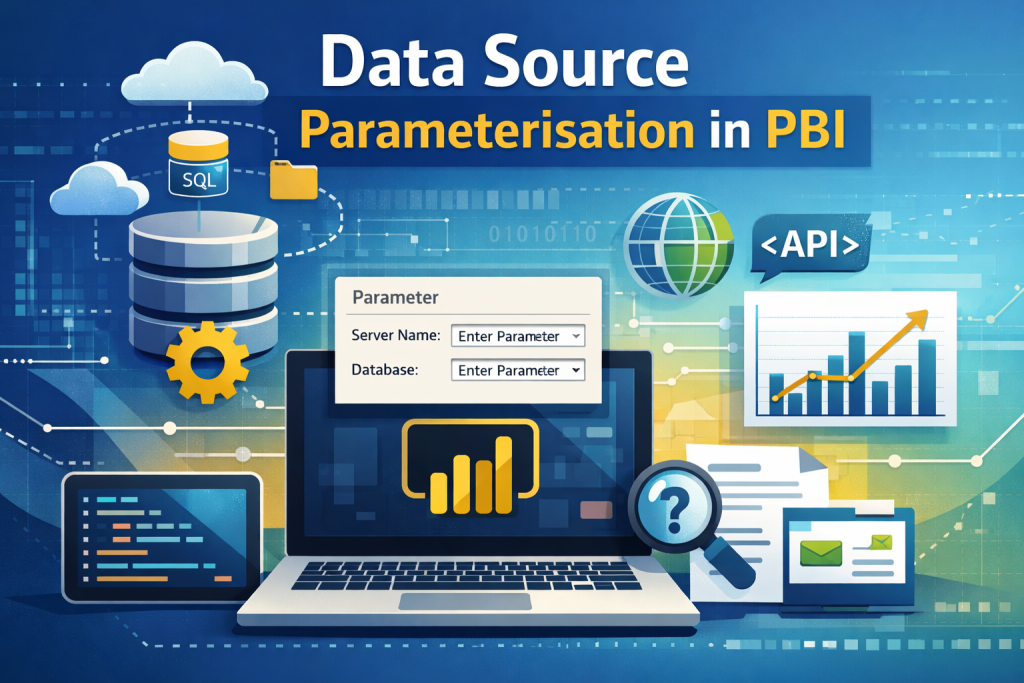
Data source parameterisation in Power BI allows you to dynamically control connections (server, database, file paths, APIs) without rewriting queries, thus making your solutions scalable, secure, and deployment-ready. In modern BI environments, reports rarely connect to a single static source. Between Dev/Test/Prod environments and evolving infrastructure, hardcoded data source connections become technical debt very quickly. […]
Understanding Microsoft Fabric: Architecture and Setup for Beginners
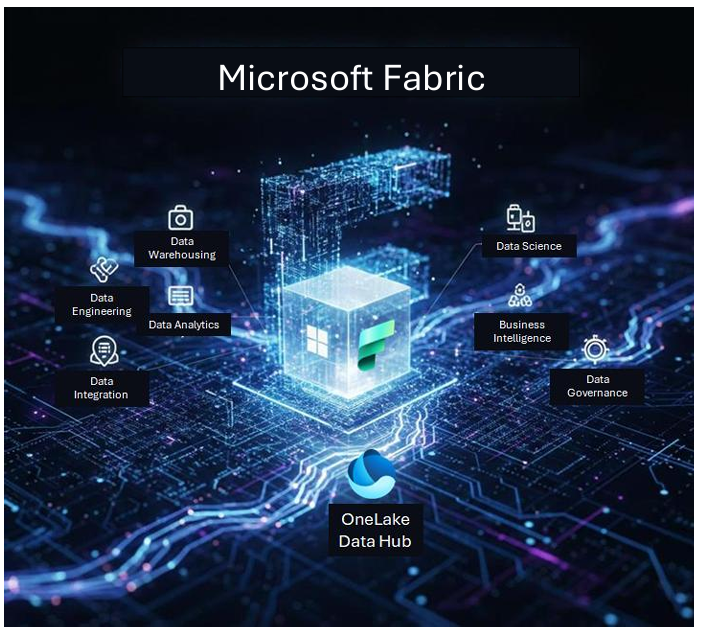
As someone working with Power BI and Azure-based analytics tools, understanding how modern analytics platforms are structured becomes increasingly important as organizations move toward unified data architectures. This article focuses on explaining the core fundamentals of Microsoft Fabric, including its high-level architecture and a basic hands-on setup. The intent is to help readers understand how […]
How the VertiPaq Engine Really Compresses Data
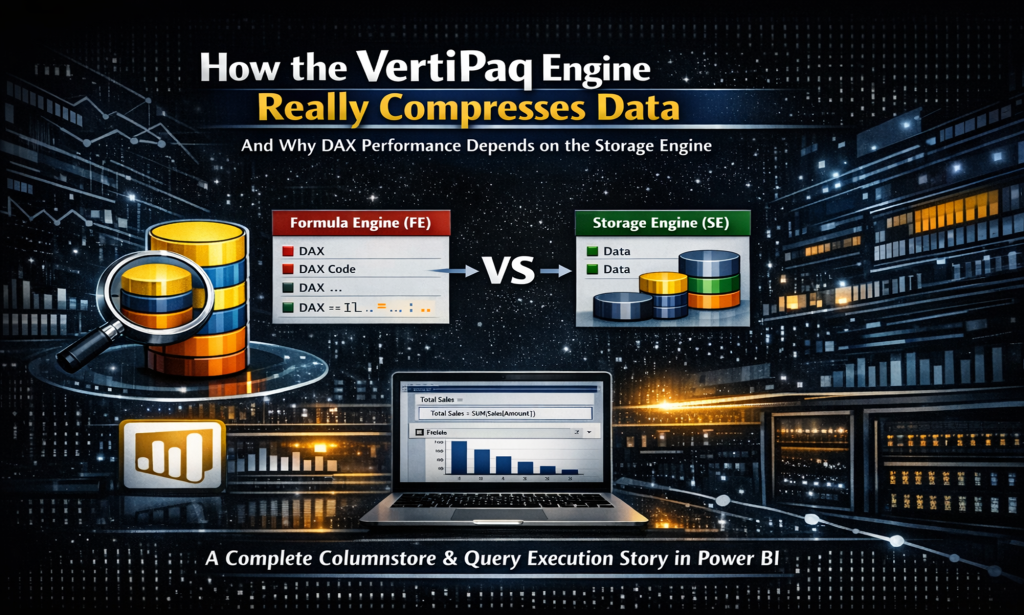
And Why DAX Performance Depends on the Storage Engine A Complete Columnstore & Query Execution Story in Power BI Power BI can analyze large datasets while maintaining interactive performance, mainly due to VertiPaq, its in-memory columnar storage engine. Performance issues in Power BI are often misunderstood—some blame DAX, visuals, or Service limits. In reality, performance depends on how data is stored (VertiPaq) and how queries run (DAX + […]
Understanding PBIR: The Future of Power BI Reports and How It Differs from PBIX
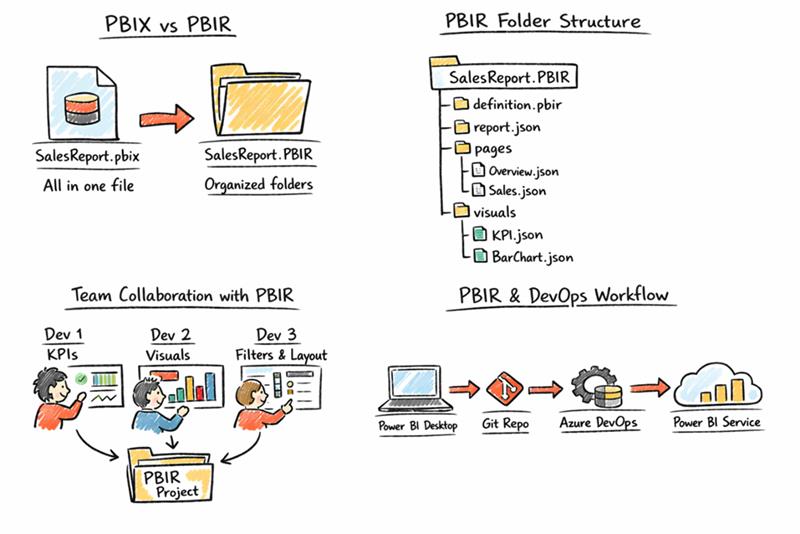
Microsoft introduced PBIR (Power BI Project – Report format) to modernize how Power BI reports are developed, especially in team and enterprise environments. PBIR brings structure, transparency, and collaboration into Power BI without changing how reports look or behave for business users. What is PBIR? PBIR is a new way of saving Power BI reports. Traditionally, Power BI reports were […]
BI Team Design Patterns — Power BI Developers, Data Engineers, and Analysts Working in Sync
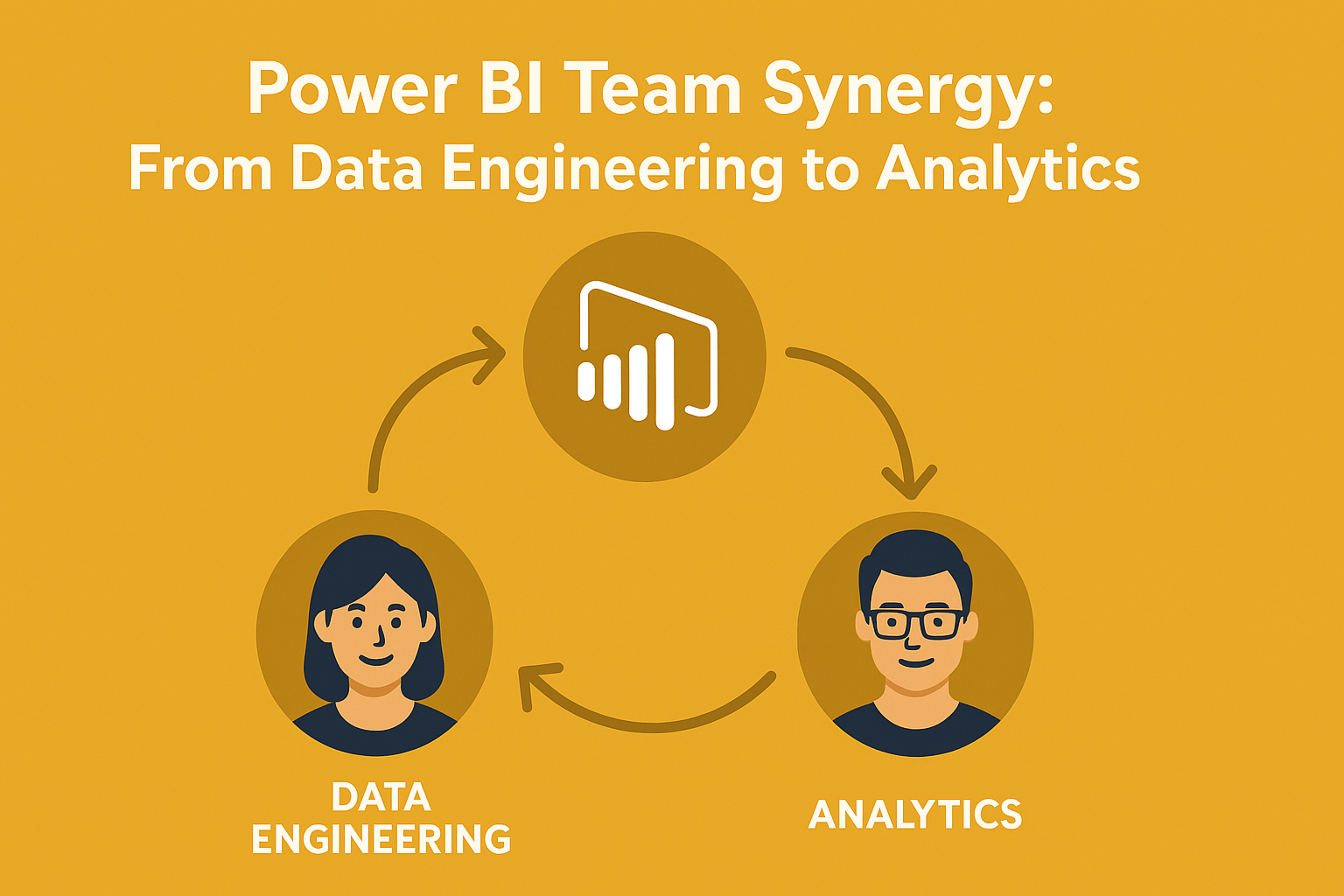
High-performing BI organizations don’t happen because of great dashboards alone — they emerge when Data Engineers, Power BI Developers, and Business Analysts work from a shared operating model. That model defines who owns data, how KPIs are standardized, and how insights move from raw sources to business decisions. In regulated industries like healthcare, this alignment […]
Design Meets Function: The Power BI Balance
Introduction First impressions matter, even when you’re creating Power BI reports. When your users open your report for the first time, they need to be presented with good-looking visuals that present data in an easy-to-read way; otherwise, they’ll leave confused and with more questions than before. Balancing is crucial when […]
Microsoft Fabric: An Overview
The world of data analytics is evolving faster than ever. As organizations deal with growing volumes of structured and unstructured data, the need for a unified, scalable, and intelligent analytics platform has become critical. Microsoft Fabric is response to this challenge, a comprehensive, end-to-end analytics solution that integrates data engineering, data science, real-time analytics, and […]
Power BI in a Lakehouse World — Microsoft Fabric DirectLake Deep Dive
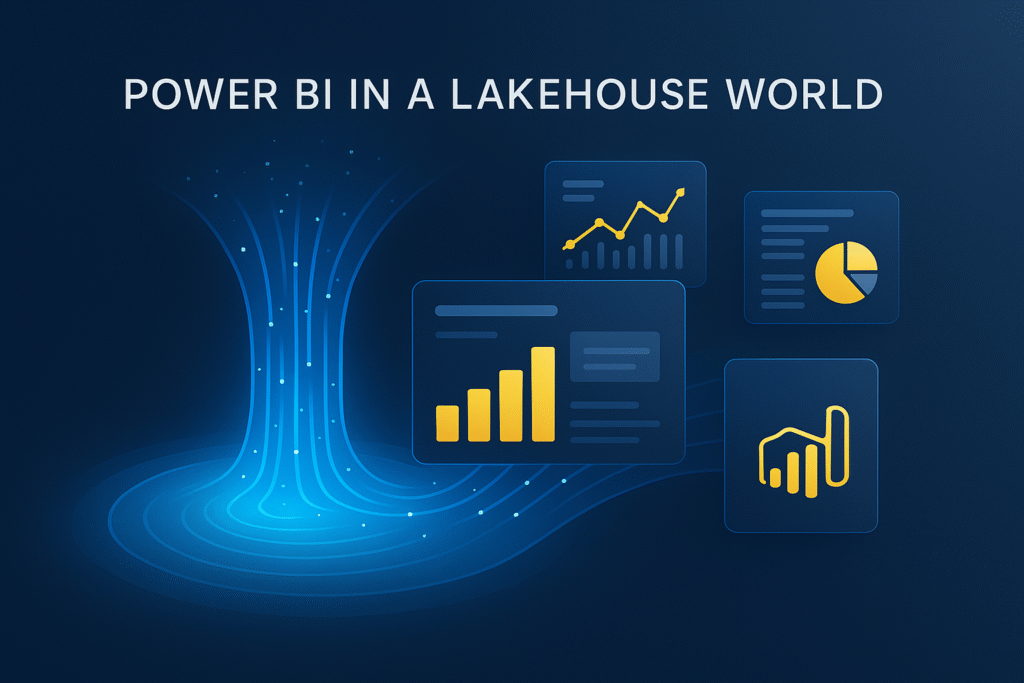
Modern analytics isn’t just about dashboards — it’s about speed, volume, and freshness.With more data flowing in (sensor data, IoT, streaming logs, huge transactional systems), organisations want: fast interactive visuals up-to-date data (near real-time) scalable architecture without massive refresh times Historically, in Microsoft Power BI, you’ve had trade-offs: Import Mode → blazing fast, but data […]
Top 5 Mistakes to Avoid When Working with Date Tables in Power BI (With Real-Time Scenarios)

Working with dates is at the heart of most business reporting and analytics. Whether you’re tracking sales over time, comparing month-over-month performance, or calculating year-to-date metrics, you’re dealing with time intelligence—and for that, a robust and well-structured Date Table is essential. However, many Power BI developers (even experienced ones) unintentionally make mistakes when implementing or […]
Calculation Groups Deep Dive: Beyond Time Intelligence – Unlocking Advanced DAX Scenarios
Have you ever built a Power BI report with dozens of nearly identical measures, differing only by their calculation logic? A recent survey by Microsoft revealed that 73% of Power BI developers spend over 40% of their time maintaining repetitive measures across different business scenarios. What if there was a way to write one base […]