
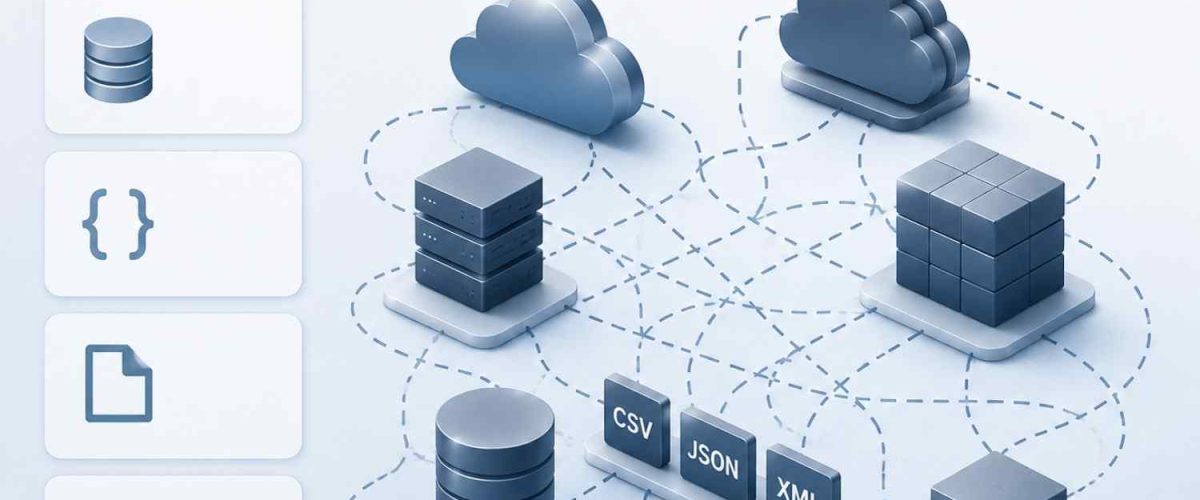
Databricks Lakehouse reduces data complexity and costs by combining data warehousing, data lakes, analytics, governance, and AI workloads into a single unified platform. It eliminates data silos, reduces infrastructure duplication, improves data accessibility, streamlines operations, and enables organizations to manage analytics and artificial intelligence initiatives more efficiently while optimizing long term operational expenses.
Organizations across Norway are facing increasing challenges as data volumes continue to grow. Businesses collect information from customer interactions, enterprise applications, cloud systems, operational platforms, IoT devices, and external sources. While this data creates opportunities for innovation and business growth, managing it across multiple systems often introduces significant complexity and cost.
Many enterprises maintain separate environments for data storage, reporting, analytics, machine learning, and operational workloads. These disconnected systems create data silos, increase maintenance requirements, and make it difficult to establish a consistent view of business performance. As organizations continue investing in digital transformation and artificial intelligence, the need for a more unified data architecture has become increasingly important.
This is where the Databricks Lakehouse platform is gaining significant attention. By combining the flexibility of a data lake with the performance and governance of a data warehouse, Databricks enables organizations to simplify their data ecosystem while reducing infrastructure and operational costs.
Why Is Data Complexity Becoming a Business Challenge?
Modern organizations rarely operate with a single data source. Most businesses use multiple software applications for finance, sales, marketing, customer service, supply chain management, and operations. Each system generates valuable information, but integrating and managing these datasets often becomes a challenge.
When data exists across separate platforms, organizations frequently spend considerable time moving, transforming, validating, and reconciling information before it can be analyzed. This creates delays, increases costs, and limits business agility.
As data environments continue expanding, complexity grows even further. Businesses must support structured and unstructured data, real time analytics, governance requirements, and AI workloads simultaneously. Without a modern architecture, these requirements can quickly overwhelm existing systems.
This growing challenge is one reason many enterprises are exploring Databricks Lakehouse solutions Norway as part of their long term modernization strategy.
What Is a Databricks Lakehouse?
A Databricks Lakehouse combines the best capabilities of traditional data lakes and data warehouses within a unified platform. Instead of maintaining separate environments for storage, analytics, and machine learning, organizations can manage these workloads from a single ecosystem.
The approach enables businesses to store large volumes of data while maintaining governance, performance, and reliability. Teams can work with analytics, business intelligence, machine learning, and AI workloads without moving data between multiple systems.
This unified architecture helps organizations simplify operations while creating a stronger foundation for innovation and future growth.
How Does Databricks Lakehouse Reduce Data Silos?
One of the biggest causes of data complexity is the presence of silos. Different departments often maintain separate systems that contain valuable business information. Sales, finance, marketing, operations, and customer support teams may all work with different datasets and reporting environments.
These silos make it difficult to establish a single source of truth. Employees often spend time reconciling conflicting reports rather than focusing on decision making.
The Databricks Data Lakehouse helps eliminate these barriers by creating a centralized environment where data can be accessed, governed, and analyzed consistently. This improves collaboration between teams and enables organizations to work with trusted information across the enterprise.
For businesses seeking greater visibility into operations, reducing data silos often delivers immediate value.
Can Databricks Lakehouse Lower Infrastructure Costs?
One of the most significant benefits of a Lakehouse architecture is cost reduction. Traditional data environments often require multiple platforms for storage, analytics, reporting, and machine learning. Each system introduces licensing costs, maintenance requirements, infrastructure expenses, and integration overhead.
By consolidating these capabilities into a single environment, organizations can reduce technology sprawl and optimize resource utilization.
The Databricks lakehouse allows businesses to manage multiple workloads without maintaining separate systems for each function. This consolidation often leads to lower operational expenses and improved return on investment.
Organizations evaluating modernization initiatives frequently identify cost optimization as one of the strongest business cases for adopting a Lakehouse strategy.
How Does Databricks Delta Lake Improve Efficiency?
Databricks Delta Lake solutions provide a critical foundation for reducing complexity while improving reliability. Delta Lake introduces capabilities such as transactional consistency, schema enforcement, and data quality controls that help organizations manage information more effectively.
Traditional data lakes often struggle with governance and reliability because they lack many of the controls found in enterprise data warehouses. Delta Lake addresses these challenges by providing a more structured approach to managing large scale data environments.
As a result, organizations gain greater confidence in their analytics outputs while reducing the effort required to maintain data quality and consistency.
This improved efficiency helps both technical and business teams work more productively.
Why Is a Unified Platform Important for Analytics?
Many organizations operate separate environments for reporting, analytics, and business intelligence. While these systems may function independently, maintaining them often increases operational complexity.
The Databricks Lakehouse platform enables organizations to unify analytics workloads within a single environment. Analysts, data engineers, and business users can access the same trusted data foundation without relying on multiple platforms.
This unified approach reduces duplication, simplifies governance, and improves collaboration across teams.
Organizations often find that a centralized analytics environment leads to faster insights and more consistent decision making.
How Does Lakehouse Support Artificial Intelligence?
Artificial intelligence depends heavily on data accessibility and quality. Many AI projects fail because relevant information remains fragmented across multiple systems.
The Databricks Data Lakehouse helps address this challenge by providing a unified environment where data engineers, analysts, and data scientists can work together. AI teams gain access to trusted datasets without spending excessive time preparing and consolidating information.
This streamlined approach accelerates model development and improves the effectiveness of machine learning initiatives.
Businesses working with Diggibyte frequently prioritize AI readiness when designing modern data architectures because future innovation increasingly depends on strong data foundations.
How Does Databricks Improve Governance?
Governance remains one of the most important aspects of modern data management. Organizations must maintain visibility into how data is stored, accessed, and used while complying with security and regulatory requirements.
A Databricks lakehouse provides centralized governance capabilities that help organizations enforce policies consistently across all workloads. Rather than managing governance separately across multiple systems, enterprises can establish unified controls that improve visibility and reduce risk.
This simplified governance model supports compliance while helping organizations maintain trust in their data.
For highly regulated industries, strong governance often becomes a major factor when evaluating modern data platforms.
Can Databricks Lakehouse Improve Scalability?
Business growth inevitably creates new data challenges. Organizations must support increasing data volumes, additional users, new applications, and more advanced analytics requirements over time.
Traditional architectures often require significant redesign efforts when workloads expand. In contrast, a Lakehouse architecture provides greater flexibility and scalability.
Organizations can add new analytics initiatives, support machine learning workloads, and expand operational capabilities without completely rebuilding their infrastructure.
This scalability helps businesses prepare for future growth while avoiding costly platform replacements.
What Are Some Practical Business Use Cases?
Organizations across industries are already benefiting from modern Lakehouse architectures.
Retail businesses use Databricks Delta Lake warehouse environments to improve customer analytics and inventory visibility. Financial institutions leverage unified data environments to strengthen fraud detection and risk management initiatives. Manufacturers improve operational efficiency through predictive maintenance and real time monitoring.
Healthcare providers use centralized data platforms to enhance patient analytics and operational reporting. Telecommunications companies improve network performance analysis and customer experience initiatives.
These examples demonstrate how reducing complexity can create measurable business value across different industries.
How Does Diggibyte Help Organizations Modernize Their Data Platforms?
Modernizing data architecture requires careful planning, governance, migration expertise, and long term optimization strategies. Organizations often need guidance when evaluating platform design, data consolidation, analytics modernization, and AI readiness initiatives.
Diggibyte helps enterprises design and implement Databricks lakehouse solutions that align with business objectives while reducing complexity and operational costs. From architecture planning and data migration to governance frameworks and analytics optimization, Diggibyte supports every stage of the modernization journey.
By combining technical expertise with business focused strategy, organizations can accelerate implementation while maximizing long term value from their data investments.
Conclusion
Databricks Lakehouse is helping organizations reduce data complexity by creating a unified environment for storage, analytics, governance, and artificial intelligence. By eliminating data silos, simplifying architecture, improving accessibility, and strengthening governance, businesses can operate more efficiently while lowering operational costs. The platform provides a modern foundation that supports both current analytics requirements and future innovation initiatives.
As organizations across Norway continue investing in digital transformation, adopting a scalable and cost effective data strategy becomes increasingly important. Diggibyte helps businesses design, implement, and optimize Databricks Lakehouse solutions that improve efficiency, reduce complexity, and accelerate business outcomes. Contact Diggibyte today to explore how a modern Lakehouse architecture can streamline data management, reduce costs, and create a stronger foundation for analytics and AI success.
Frequently Asked Questions
How does Databricks Lakehouse reduce data complexity?
Databricks Lakehouse reduces complexity by combining storage, analytics, governance, AI, and data engineering workloads within a single platform, eliminating the need for multiple disconnected systems.
What is the Databricks Lakehouse platform?
The Databricks Lakehouse platform is a unified architecture that combines the scalability of a data lake with the governance and performance capabilities of a data warehouse.
How does Delta Lake help organizations?
Databricks Delta Lake solutions improve data quality, governance, reliability, and performance while supporting large scale analytics and machine learning workloads.
Can Databricks Lakehouse reduce costs?
Yes. By consolidating multiple platforms into a single environment, organizations can reduce infrastructure expenses, maintenance costs, licensing fees, and operational overhead.
Why is Databricks Lakehouse important for AI?
The platform provides centralized access to trusted data, enabling AI and machine learning teams to build models more efficiently while reducing data preparation challenges.